As a parent of a first-time feis competitor, the whole experience can be overwhelming for you and your dancer. You may both be very nervous and anxious about getting on stage for your first feis.
There will likely be others in the exact same situation. There’s a lot of things that go through your head. Are we prepared? Do we have everything we need? What if I forget my steps?
Let’s put the situation into perspective.
As a beginner, the emphasis should be on going out there, having a go, building some confidence and, most importantly, having fun.
I’ve been involved with competitive Irish dancing for more than 10 years. I don’t claim to be an expert on all things Irish dancing, but I’m extremely happy to have the opportunity to share some of the things I’ve learned over my time on the feis scene.
I hope that you find this article for Tips For Your First Feis useful and helps to guide you in preparing and performing in your first Irish dancing competition.
Key Takeaways:
-
- Your dancer’s first feis can be nerve-wracking and exciting. Preparation is key.
- Be prepared. Make sure you have everything you need ready the night before. This includes your costume, dance shoes and socks, and any necessary accessories.
- Give yourself plenty of time to get to the venue, settle in, and warm up.
- Keep your energy level up with good nutrition and hydration.
- Remember to have fun and make the most of the experience. This is the first step in your journey as a competitive Irish dancer.
- Reflect on your performance.
Irish dance competitions, or feiseanna, are held at hundreds of locations worldwide every weekend. I think it is one of the most important aspects of the social side of the art form. Dancers from different schools and locations come together for a time of fun, friendship and competition.
But what is a feis, and how do you say the word?
In the true definition, feis is the Irish word for “festival” and is a gathering of music and dancing. Ah yes, words from other languages can be difficult. The correct pronunciation of the word feis is FESH.
A local Irish dancing competition generally takes place over one or two days. Larger regional competitions may be longer, and international events, like the Irish Dancing World Championships, can run for more than a week.
Attending local competitions allows dancers of all skill levels to compete and build confidence. While you can’t engage with the judges directly, there have been times when we have gotten feedback sheets from judges, giving valuable insight into areas that need work.
If you are new to Irish dance, and this is your first feis, you will probably be competing in the beginner or novice sections. The sections are typically divided by gender, age and type of dance. However, it is also common for some sections to be combined. You may have combined gender and age groups.
The dance teacher is ultimately responsible for the sections that you are entered into. They are experts in the field and you should take their advice. You will be placed into sections with dancers of similar skill levels and experience so that you won’t be intimidated.
For local competitions, it’s typical to have only 1 stage and a range of 1-5 adjudicators. For larger regional feis, it’s common to have multiple stages and each stage will have different judges.
Feiseanna are a significant part of the Irish dance community, and your first feis will be a memorable experience. Be sure to take some time to observe and learn from other dancers, make connections, and enjoy the lively atmosphere.
Getting Ready: Preparing Before Arriving
It’s a big step for both you and your dancer when deciding to compete in their first feis. To make the day go as smoothly as possible, there are some things that you both need to do. Your dancer knows their steps, they’ve done all the hard work, and now it all needs to come together on the day. The best way to give them every chance to succeed and dance at their best is to be prepared in advance. Preparation is key.
Get Everything Ready the Night Before
In our house, we’re all about being as stress-free as possible where we can. Having everything prepared the night before helps us maintain that feeling.
It’s all about getting everything prepared the night before (or even days before) so that there is less to do on the morning of the competition and we won’t forget anything. This has also helped us notice things that we had overlooked too.
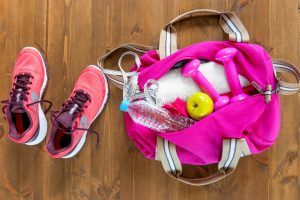
We like to take a few different bags to the feis. The main bag has all the accessories we need. This includes shoes, accessories, tape, polish, hairspray, make-up, and more. For a beginner dancer, the list isn’t really that big. We go into this further below.
Another bag has the costumes. Depending on the competition, this may be just the main performance dress worn for all the dances. We may have 1 or 2 other dresses if there are ceili dances and yet another bag with all our snacks, hydration, and any sundry items.
Plan to Arrive Early
Feis day can be quite stressful, and you don’t need the added stress of running late. Always plan to arrive with plenty of time to spare. You need to leave for the feis early and allow time for unexpected issues like bad traffic or other delays.
Arriving early will give you enough time to settle your nerves, get familiar with the venue, find the practice room and stages, and give you adequate time for warm-up.
I would recommend that you plan to arrive at the feis 45 minutes or more before your first competition of the day.
There are instances where sections can start up to 30 minutes early. So make sure you give yourself enough time to get to the venue and get settled for the day ahead.
Organize Your Dance School Schedule
This really depends on the individual. It’s best to discuss this with your dance school teacher. Some dancers practice and train hard right up to the day of the competition. Others like to have a relaxed lead into a competition where they only train lightly. I personally know dancers from both camps and it seems to work for them. No one best solution is going to work for everyone.
Set Aside Practice Time
Practice isn’t just for class time. If you want to be a championship-level dancer, you will need to commit time to practice at home. Consider this, if you practiced an extra 20 minutes, 5 times a week, you would be doing an extra 86 hours of practice over the year. Would that make a difference to your results? use this time to focus on perfecting your steps or fine-tuning the areas you need to work on.
Connect with Your Dance School Community
Your dance school community can provide valuable support and guidance as you prepare for your first feis. Most certainly, the teachers and most of the dancers who have been part of the school for a while have been through this. Reach out to other dancers, parents, and instructors for advice and encouragement. You are not alone. I’ve been there. Lean on the experience and support of your dancing community.
Dressing the Part: What You’ll Need for your First Feis
Looking the part is an important aspect of any feis, and having the right attire can make all the difference. As the dancers progress to higher levels of competition, they will need items like solo dresses and wigs. But for a beginner, the list really isn’t too big.
Here are some key items you’ll need:
| Item | Description |
|---|---|
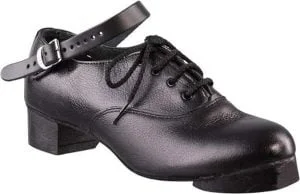
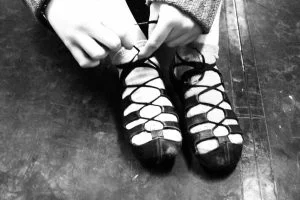
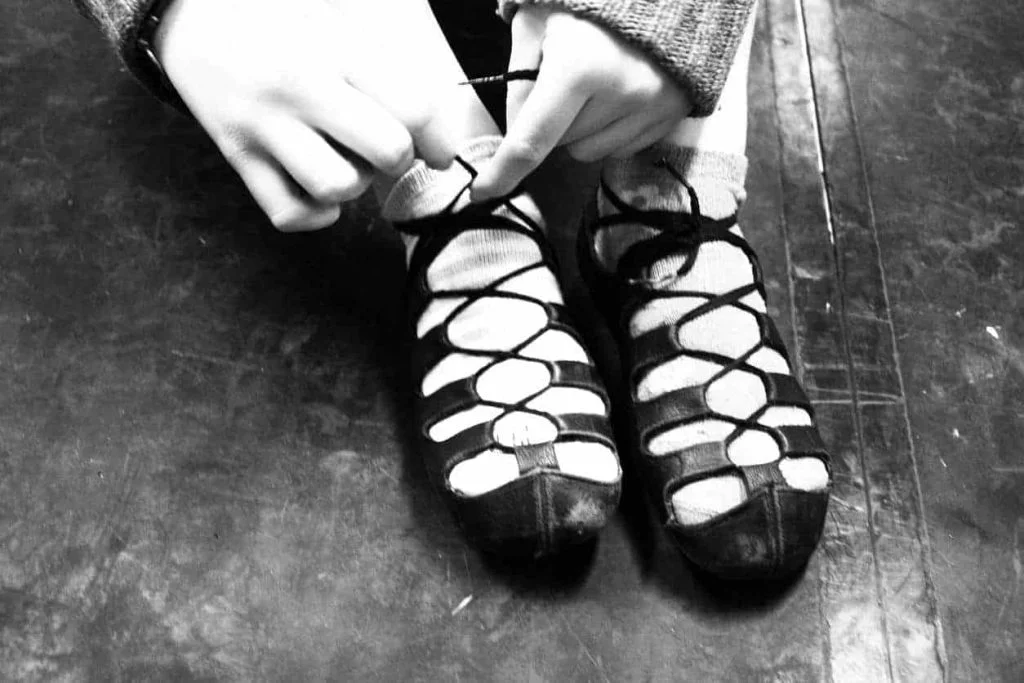
| Dance Shoes | As a beginner, you’ll probably only need to get your dancer a pair of soft shoes. These are sometimes called pumps or ghillies. Soft shoes are for dances like reels and light jigs. |
| Costume | This can be as simple as a black leotard and black skirt for beginner level dancers. |
| Poodle Socks | Poodle socks are popular Irish dance socks for female dancers. Traditionally they are knee-high socks, but the current style is worn only about 1/3 of the way up the lower leg below the knee. Poodle socks are almost always white and draw the spectators’ eye toward the feet. |
| Smile and positive attitude | This goes for all dancers, not just beginners. Judges love seeing dancers with big, natural smiles. |
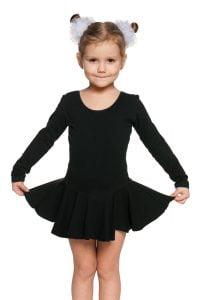
Ensure you have all the necessary items well before your first feis.
Navigating the Feis Day: From Registration to Stages
So now you’re at the feis venue, but what do you do now?
In this section, we’ll guide you through what to expect on the day of the competition, from checking in at the registration table to understanding how the stages are usually organized.
Registration Table at the Feis
Depending on your location and the competition’s size, there may or may not be a registration desk.
I know that in some locations for local competitions, each competitor has the same dancer number for all the local competitions, so there is no need for a registration desk. If it’s for local feisanna, your dancer’s competitor number will be supplied by either your dance teacher or at your first feis. If there are any issues, there will always be someone from the organizing committee or dancing association who can help you.
But if it’s a larger or regional competition, you will be issued with a dancer number on the day of the competition. To get your number, go to the registration desk and give them your name and dance school name, and they will give you your number for this competition.
Understanding the Stages
For larger competitions, stages may be organized by level and age category, but there may only be one stage for smaller ones. Keep an eye on the stage schedule posted at the venue to know when and where you’re supposed to perform. It’s a good idea to photograph it so you always have the stage schedule nearby. It’s important to stay near your designated stage area so you don’t miss your turn to dance.
The Dance Experience: On Stage and Beyond
Today is the day! It’s time to show everyone the result of all your hard work and practice over the last few months. But you’re heart is racing, and you’re feeling nervous. Well, don’t be. Let’s see if I can share some tips to help you feel more confident and prepared.
Firstly, let’s give this some perspective. This is your first ever dancing competition. You should be proud of yourself for getting this far! As a dance dad, I see the amazing things that dancers do every day. I don’t have the skills or ability to do what you do! Maybe if I put my mind to it, I could, but nope, it won’t happen.
Be proud of your achievements. Nobody wins every competition they enter. But with persistence and resilience, you’ll give yourself every chance of being on the blocks one day. If you don’t make the blocks, does it even matter? Did you do your best, have fun, and make life-long friends while doing it?
Listen to the Music: Listen to Yourself
Everyone gets nervous. Particularly when you’re doing something for the first time, if your heart is racing, consider how much you have achieved to get to this point.
When it’s your turn to dance, listen to the music, listen to your breathing, take some deep breaths, smile, and step out confidently.
Reflection After Your First Competitive Dance
You’ve done it! You’ve completed your first competitive performance! Now, it’s important to take some time and reflect.
- Did you execute the steps correctly?
- Were you in time with the music?
- How did it feel while you were dancing?
- How does it feel now you’ve finished?
Remember, this is all about experience and learning from the process. So don’t be hard on yourself if things don’t go to plan. It doesn’t matter if you win or not. Be proud of your achievements and how far you’ve come.
Learn By Watching Other Dancers
When you’ve completed your dances, take the opportunity to watch the other, more experienced dancers. Take note of their technique. Are there similarities or differences in the way you dance? Be careful not to compare yourself to the more experienced dancers. You are still leaning, and it wouldn’t be fair on yourself to directly compare with them.
The Competition: Levels and Judging
There are many different levels of competition when competing in Irish Dance. The lowest is the Novice Level, and the highest is the Championship Level.
| Level | Description |
| Novice | Dancers are typically new to the competition scene and are still learning the basics of Irish dance |
| Advanced Beginner | Dancers have a bit more experience and can perform more intricate steps. |
During the competition, judges score dancers based on their technique, timing, and overall performance.
Judging can be very subjective and hard to measure and predict. What one judge looks for and thinks is an issue may not be a problem for another judge. For example, you can have five judges watching the same dance and get varied scores from the judges. One judge may be focused on turnout and cross, while to another judge, that’s not as important.
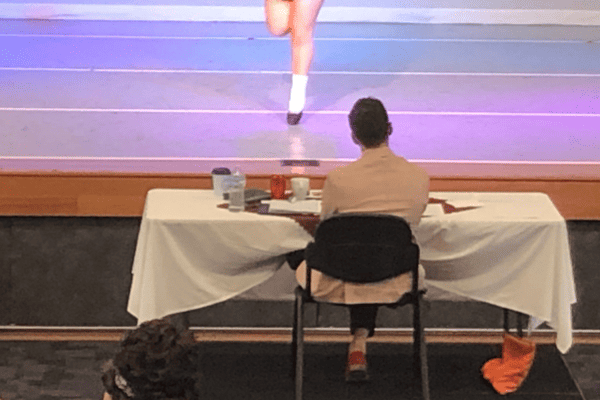
It’s really hard to say exactly what the adjudicators are looking for, But as a general rule, judges are looking for a clean and polished performance that ticks all the boxes for correct technique. I’ve often heard comments that some judges prefer to see perfectly executed, easier steps over fast and difficult ones performed poorly.
Making the Most of Your Feis Experience
As new dancers, attending a feis can be overwhelming and confusing. With so many dancers at a time, it’s easy to feel lost in the crowd. Every feis is an opportunity to connect and enjoy the Irish dance community. Over her dancing career, my daughter has met and connected with many great dancers from all walks of life.
Here are some tips to help you make the most of your feis experience:
- Introduce yourself to other dancers: Feiseanna are a great place to meet like-minded people who share your passion for Irish dance. Don’t be afraid to introduce yourself to other dancers and connect with them on social media to stay in touch.
- Bring snacks and water: Feis days can be long and tiring, so staying hydrated and fueled up is essential to keep your energy and focus up. Bring a water bottle and healthy snacks to keep you going throughout the day. It’s also a good idea to have a sport drink to help with rehydration.
- Stay organized: Ensure you have everything you need, including your dance shoes, poodle socks, and hair accessories. Keep your gear in a bag and check it periodically throughout the day to ensure you have what you need for your next performance.
- Take breaks: Feis days can be exhausting, so take breaks between performances to rest and recharge. Find a place that’s quiet where you can stretch, listen to music, or meditate to help calm your nerves and stay focused.
Every dancer will need something different to make their feis experience enjoyable. Find what works best for you and don’t be afraid to ask for help or advice when needed. Remember, feiseanna are meant to be fun and rewarding experiences, so enjoy every moment and dance your heart out!
Staying Energized and Focused: Fueling Your Body and Mind
Feis days are long and tiring and it’s important to fuel your body and mind properly.
Start your day with a healthy breakfast containing protein and complex carbohydrates. This provides a slower and prolonged release of energy to keep you energized throughout the morning. Avoid sugary drinks and snacks, which can lead to a spike in energy but a crash later on.
Stay hydrated by drinking plenty of water and electrolyte-replenishing sports drinks. Pack snacks such as fresh fruit, granola bars, and nuts to have on hand between performances.
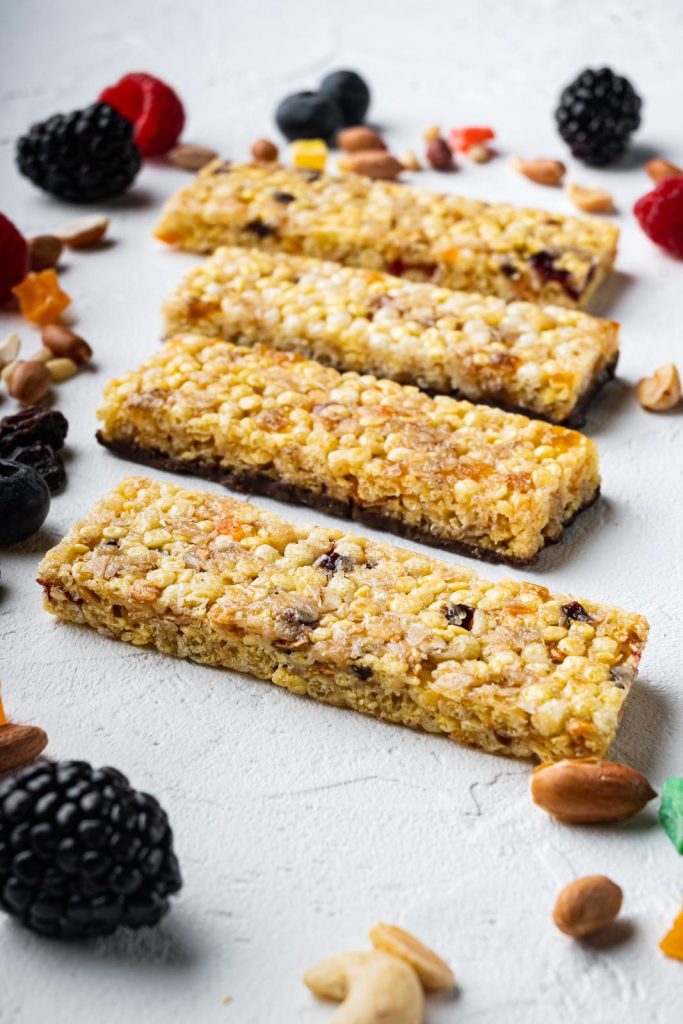
Don’t forget to take breaks and rest your mind between dances. Find a quiet place to sit and relax, listen to music, or meditate for a few minutes. This will help you stay focused and calm throughout the day.
After the Feis: Reflecting and Learning
Congratulations! You’ve completed your first feis!
Now, it’s important to take some time and reflect on your overall performance and lock in your learnings. It’s fair to expect that you were nervous, and as this was your first competition, it’s understandable. Maybe you made some mistakes? Maybe your timing wasn’t quite right. It doesn’t matter because this is about learning and gaining valuable experience.
Reflecting on your performance allows you to celebrate your achievements and identify areas for improvement. Here’s a list of questions that may help you get started with your reflection:
- How do you think you performed?
- What did you do well?
- What part of the performance do you feel most proud of?
- Did you feel confident and composed while on stage?
- How well did you maintain your rhythm and timing during the performance?
- How was your posture during the performance?
- What constructive feedback did you get from teachers and other dancers?
- What areas do you think you can work on to improve?
- What specific drills do you want to concentrate on?
Think about what worked well and what didn’t.
- It can be as simple as being too rushed at the start of the day. Did you arrive 45-60 minutes before your first competition?
- Did you have everything you need?
- Did you run out of energy because you had a poor breakfast?
- Was I dehydrated?
- Did I warm up before dancing?
It’s also important to celebrate your achievements! Even if you didn’t place in your category, completing your first feis is significant. Take time to appreciate the hard work you put into preparing for the competition, and be proud of yourself for taking that first step.
Stay motivated and work towards your next competition. Use the lessons you learned from your first feis to refine your skills and develop new ones.
Remember to look at every feis as a learning opportunity, and you will continue to grow and improve with each competition.
The Road Ahead: Continuing Your Irish Dance Journey
As new Irish dancers, continuing your training and growth beyond your first feis is important. One of the best ways to do this is by finding a dance school that fits your needs.
At a dance school, you’ll have the opportunity to learn from experienced Irish dancers, perfect your technique, and connect with other dancers in your local community. Look for a school that offers classes at a level appropriate for your skills, and make sure the instructors have the qualifications and experience necessary to support your growth as a dancer.
Consistent practice time is also essential for improving your skills and preparing for future competitions. Set aside time each week to practice, whether it’s in a dance studio or at home. You can use instructional videos, practice drills, and choreography work to stay engaged and motivated.
Finally, set goals for your future feis experiences. Whether you want to move up to a higher level, perfect a specific dance, or simply enjoy the competition atmosphere, having a clear objective can help keep you focused and motivated along the way.
Remember, as an Irish dancer, you are part of a community that values hard work, dedication, and a passion for preserving Irish culture. Continue to pursue your passion for Irish dance, and enjoy the journey ahead!
Conclusion
I hope this beginner’s guide to Irish dance competitions has been helpful in preparing you for your first feis. Remember, while the experience may initially feel overwhelming, but it’s important to stay focused, have fun, and enjoy every moment.
As you continue your Irish dance journey, stay connected with the dance community, maintain consistent practice time, and set achievable goals for your future feiseanna. Remember, your fellow competitors are not your enemies – they are simply another dancer at a feis, working hard to improve and succeed, just like you!
Most importantly, never forget why you started; always dance from the heart. Good luck on your feis journey!
FAQ
What is a feis?
A feis is an Irish dance competition where dancers showcase their skills and compete against each other.
What can I expect from my first feis?
At your first feis, you can expect to see dancers of different levels and age categories, experience the structure of the competition, and immerse yourself in the vibrant feis atmosphere.
How should I prepare before arriving at the feis?
Before arriving at the feis, it’s important to organize your dance school schedule, set aside practice time, and plan to arrive at the venue early to get settled and warmed up.
What do I need to wear for a feis?
For a feis, you will need the right dance shoes, dance socks, and poodle socks. Additionally, make sure you have well-fitted hard shoes for certain dances.
How can I make the most of my first feis experience?
To make the most of your first feis experience, observe and learn from other dancers, listen to the music, and compare your performance to others to further improve your skills.
How are performances judged at a feis?
Performances at a feis are evaluated based on the different levels and judging criteria. Judges will assess your performance and provide scores accordingly.
How can I connect with the Irish dance community at a feis?
Feis days are an excellent opportunity to connect with the Irish dance community. Take time between performances to socialize, make new friends, and appreciate the talents of other dancers.
How can I stay energized and focused during a feis day?
To stay energized and focused throughout a feis day, eat and drink properly, especially before and during the competition. Stay hydrated and fuel your body with nutritious snacks.
What should I do after the feis is over?
After the feis, reflect on your performance, celebrate your achievements, and identify areas for improvement. Don’t let post-feis blues dampen your spirits, and stay motivated for future competitions.
How can I continue my Irish dance journey after my first feis?
After your first feis, continue your Irish dance journey by dedicating to consistent practice time, and setting goals for future feiseanna. Keep growing and enjoying the beauty of Irish dance.
What is the first thing you need to do in preparation for your first feis?
Where I come from, the dance teacher is responsible for “registering” your dancer for their first feis. This may be different for you. It’s advised that you speak to your teacher and get directions from them. You may need to go to the feis event website and create an account and enter your details.
How can I get my individual “marks” for the feis?
Every dancer gets their individual “marks” or scores by judges during the feis. It’s not guaranteed that you will be able to get a copy of the results. We’ve been to competitions where the results were available, and for others, they were not. If you have registered your feis entry via the event website, you may be able to see the results there after the competition ends. This can be helpful to see how your dancer compared to others in the competition.
What should a dancer wear to a feis?
It’s common for dancers to wear a solo dress or costume for their competition. However, for your first feis, it is not necessary. A simple skirt and top or dress will suffice. Make sure to check with your dance teacher or the feis organizer to see if there are specific costume requirements.
What is the competitor number and why is it important?
Each dancer will have a competitor number in hand. This number is used to line the dancers up in marshalling before their competition and to announce the scores. The competitor number should be securely fastened to the front of the costume so the judges can see it.
How can I avoid missing my competition?
You need to regularly check and see how the competition is progressing. Maybe they are running early and you need to be aware of this and be at your stage and ready to marshall at the required time. You can also set a reminder or alarm on your phone as it’s easy to get caught up in the excitement of the feis and miss your competition.
Can a dancer perform different steps during the competition?
Yes, a dancer can perform different steps during the dancer’s competitions, providing a unique performance at each feis. This allows the dancer to showcase a range of skills and abilities. At the beginner level, it’s normal for dancers to perform set dances and not have any individual choreography.
Are there age limits for dancers in the feis?
There are typically age groups for dancers. For example, dancers in U11 might compete together. However, the specifications can vary from feis to feis and sometimes depending on the number of entrants. It can be common to have various ages combined in the same competition.
How can I know who placed in the competition?
The names and numbers of dancers who placed in the competition are announced at the end of the competition at the presentations. It’s common for the presentation sections to be live-streamed on social media.
Can I buy or order a solo dress in the exact same design as another dancer?
While it’s possible, it’s not generally recommended. Each solo dress is typically unique and personal to the dancer. If you are purchasing a dress, ask for a 48-hour return policy as fit and suitability of colors are hard to measure over pictures.
Are solo dresses required for the first feis?
No, they are not required. Beginners do not typically wear a solo dress for their first feis. You can start investing in a solo dress when you have more experience and commitment to the sport.